 ISS Sighting Times
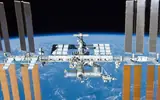
ISS passes over Melbourne
Last updated:
| Date | Appears | Highest | Disappears | Max. altitude | Visible for |
|---|---|---|---|---|---|
| 10/10/26 Sat | 20:02 NNW | 20:05 NE | 20:08 ESE | 42° | 6 min |
| 10/10/26 Sat | 21:39 W | 21:42 SSW | 21:43 S | 23° | 4 min |
| 10/11/26 Sun | 20:51 W | 20:54 SW | 20:57 SE | 35° | 6 min |
| 10/12/26 Mon | 20:04 WNW | 20:07 SW | 20:10 SE | 57° | 6 min |
| 10/12/26 Mon | 21:43 SW | 21:44 SSW | 21:46 S | 13° | 3 min |
| 10/13/26 Tue | 20:55 WSW | 20:57 SSW | 20:59 SSE | 17° | 4 min |
| 10/14/26 Wed | 20:07 W | 20:09 SSW | 20:12 SSE | 23° | 5 min |
| 10/15/26 Thu | 20:59 SSW | 21:00 SSW | 21:00 S | 10° | 1 min |
| 10/16/26 Fri | 20:10 SW | 20:12 SSW | 20:14 S | 13° | 3 min |
Time zone: Australia/Melbourne · -37.814, 144.963
Trajectory data covers: 2026-10-09 14:04 – 2026-10-19 14:04 UTC · NASA OEM 2026-10-07T21:32 UTC
Method
Positions are interpolated from NASA’s ISS trajectory file (state vectors every 4 minutes, 15 days) and converted to each city’s local horizon with Skyfield and the JPL DE421 ephemeris for the Sun. A pass is listed when the station is at least 10° above the horizon, lit by the Sun, while the Sun is at least 6° below the horizon for the observer (twilight or night). Directions are where to look; times are local and rounded to the minute. Atmospheric refraction and terrain are ignored.
About this page
9 visible ISS passes over Melbourne in the period covered by NASA’s current trajectory file.
The ISS looks like a bright, steady star moving across the sky in a few minutes; it does not blink.